Where my approach comes from
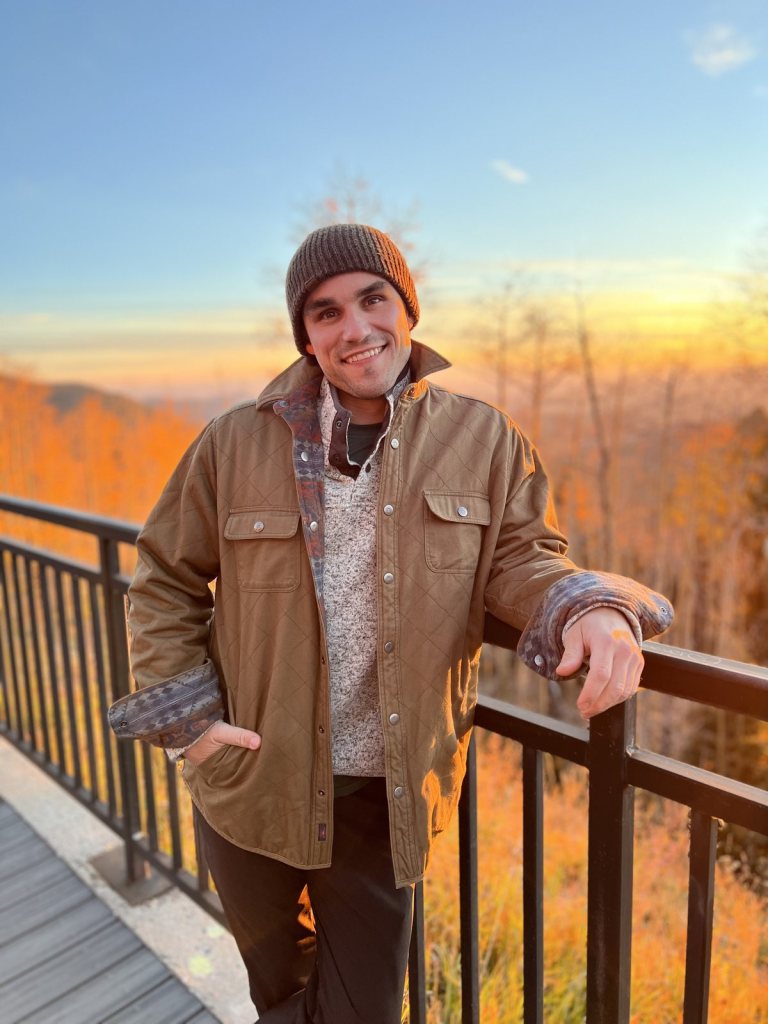
I help people and their companion animals live well together, especially when age, mobility, or a change at home has made daily life harder. My approach draws on a farm childhood, ranch work in Montana, and ten years in veterinary medicine.
I grew up on a small farm in Appalachia where everything was connected. The poultry, sheep, and goats we raised, the pasture and well water they depended on, and the family that cared for them all worked as one system. Our Border Collies and Bouviers des Flandres were companion dogs: obedient, steady around the animals, and part of every chore. That farm taught me early that animals, people, and land do well only when they are in balance.
Montana showed me what a true working dog is. While studying at Montana State University, I spent a year as a ranch hand just north of Yellowstone National Park. Some of the ranch dogs were the same breeds I had grown up with. Working alongside Australian Shepherds and Blue Heelers, they moved cattle across open country on a whistle, a gesture, or a shift in the handler’s stance. They weren’t simply following commands; they were reading the work and the person beside them. That quiet, nearly wordless partnership is the foundation of the nonverbal cues I teach today.
My coursework in the Sustainable Food and Bioenergy Systems program taught me to treat a problem as part of a larger system: identify the stressors, trace how one change affects everything around it, and avoid fixes that address only the symptom. I carried that thinking into veterinary medicine and clinical education.
I spent much of my decade in veterinary medicine in general practice, talking with clients every day about development, nutrition, and behavior. I met nearly every breed, age, and personality, and those conversations sharpened my eye for how animals and their people communicate without words. They also taught me to recognize when a question belongs with the veterinarian.
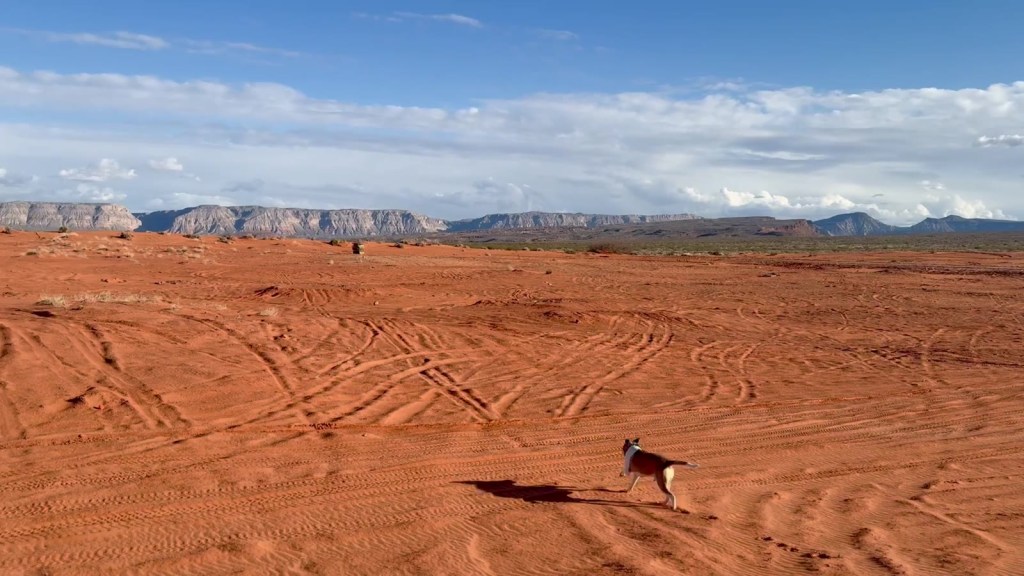
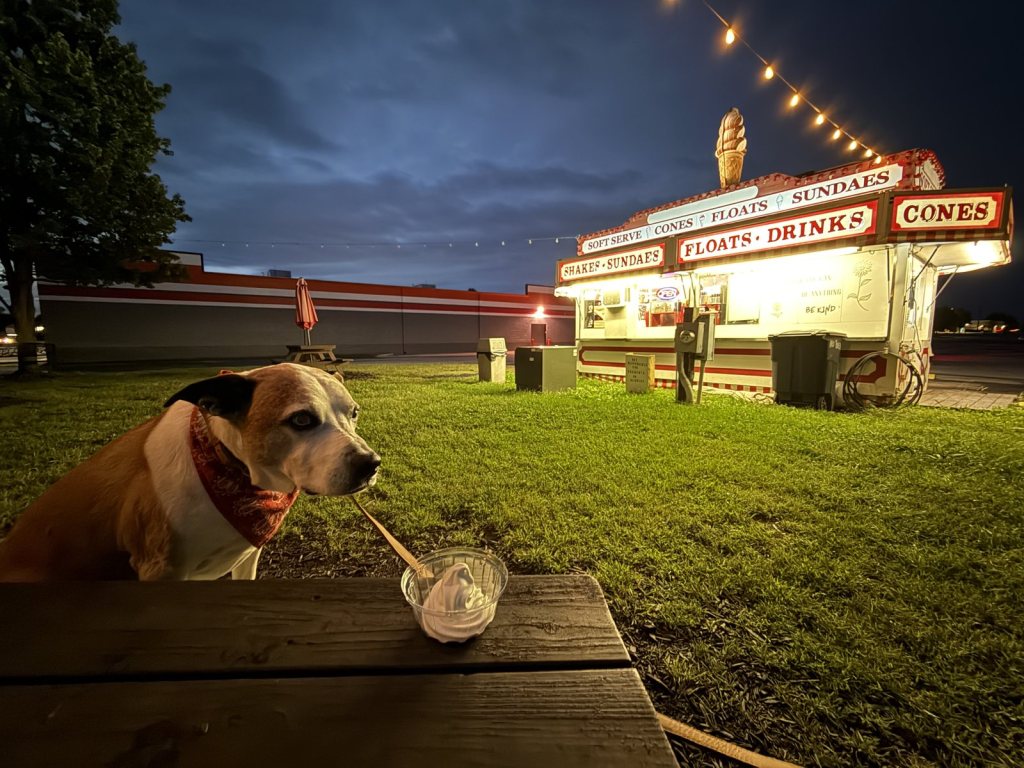
Most recently I traveled the country training veterinary teams on shockwave therapy, tailoring each training to the clinic, and Chuck came along as my demonstration dog. First I had to get him comfortable with the therapy itself: the sound of the device, a new person handling him, and a different exam room every few days. The harder lesson came in hotel lobbies, where waiting quietly at check-in was surprisingly difficult for a dog with his energy. His excitement was so predictable that I stopped treating it as a problem and gave it somewhere to go, with a long walk or a game of fetch after every check-in. I bring the same approach to a household: learn the setting, listen to everyone involved, and turn the hard moments into something the animal can count on.
Small dogs like Pomeranians, Chihuahuas, and terriers often belong to older owners, and they can end up underfoot or overfed out of love. Rottweilers, German Shepherds, and Dobermans raise a different concern, because size and strength matter when the person holding the leash is unsteady. I’ve also taught cats to walk on a harness and leash, and I’ve raised chickens, ducks, geese, quail, turkeys, and peafowl, along with hair sheep and goats. Each confirmed what I first saw in Montana: animals of the same breed or species share instincts, but each one learns differently.
Today I focus on helping people and their animals stay engaged as their needs change. Much of that work is with aging adults, including people living with dementia, Parkinson’s disease, or other neurodegenerative conditions, and with the families who care for them. I’ve seen this in my own family, when dogs struggled to make sense of a person who no longer moved or sounded the same. A familiar animal can be one of the steadiest parts of someone’s day. I help keep that relationship safe by simplifying cues, adjusting routines, and arranging the home around the person’s abilities. My goal is motion, curiosity, and comfort for as long as possible.
My approach
There’s no standard program here. Every relationship has two participants, and I watch both: how your animal moves, reads the room, and responds to you, and how you move, speak, and respond in turn. Animals can’t tell us what has changed for them, and the people I work with aren’t always heard either, especially when age or illness has narrowed their world. My first job is to listen to both.
I start with questions rather than instructions. What was life with your animal like two years ago? If you could do one thing together again, what would it be? Your answers and my observations set the direction. If a goal is no longer safe or realistic, we look for an alternative that offers some of the same experience. A long hike might become a slow sniff walk to the end of the street, and a game of fetch might become a scent game on the living room floor.
From there, the plan is built around your household and changes as it does. One case centers on hand signals, another on a quieter daily rhythm. For one person the answer is a bed beside the chair instead of a crate; for another, a relaxed walk close at their side instead of a formal heel. I bring structure, experience, and an eye for what each of you is communicating. You and your animal decide where we go.
My background is veterinary patient care and hands-on experience rather than a formal training certification, so I work closely with veterinarians and certified professionals when a case calls for it.
Emmett and Chuck
Emmett
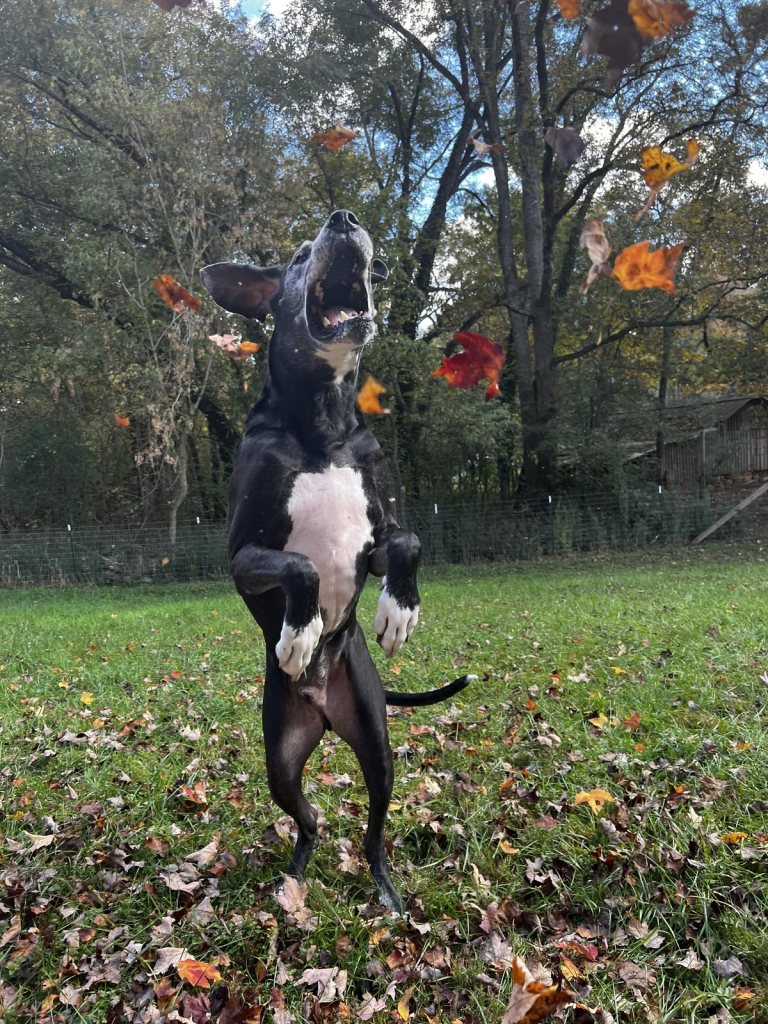
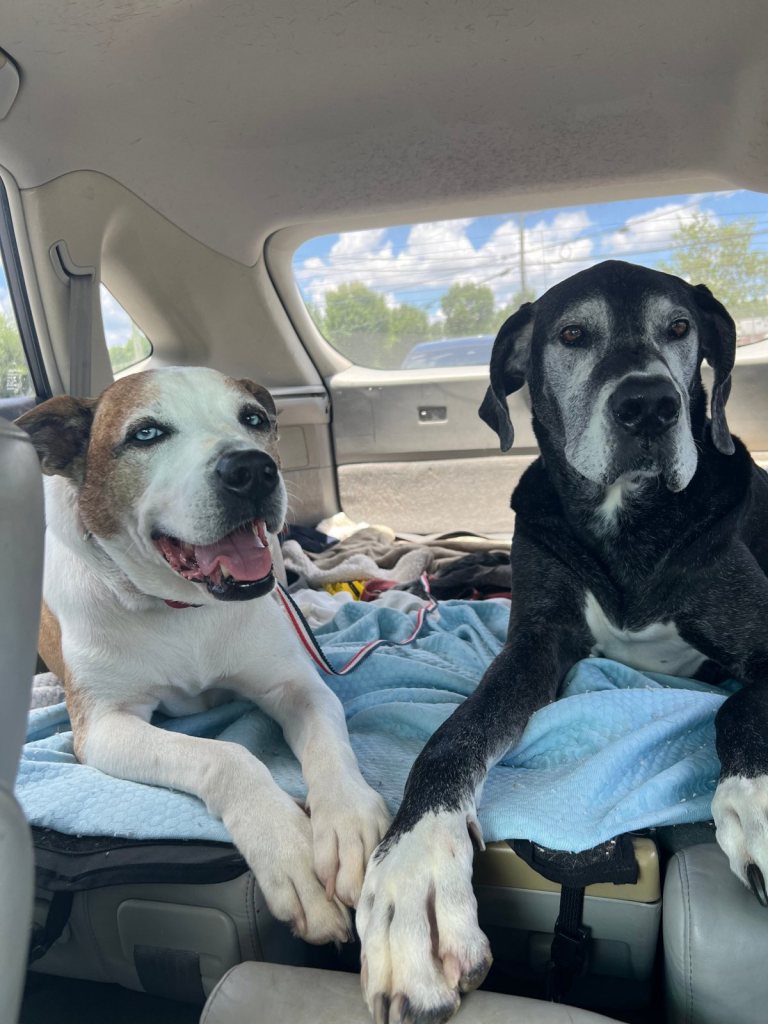
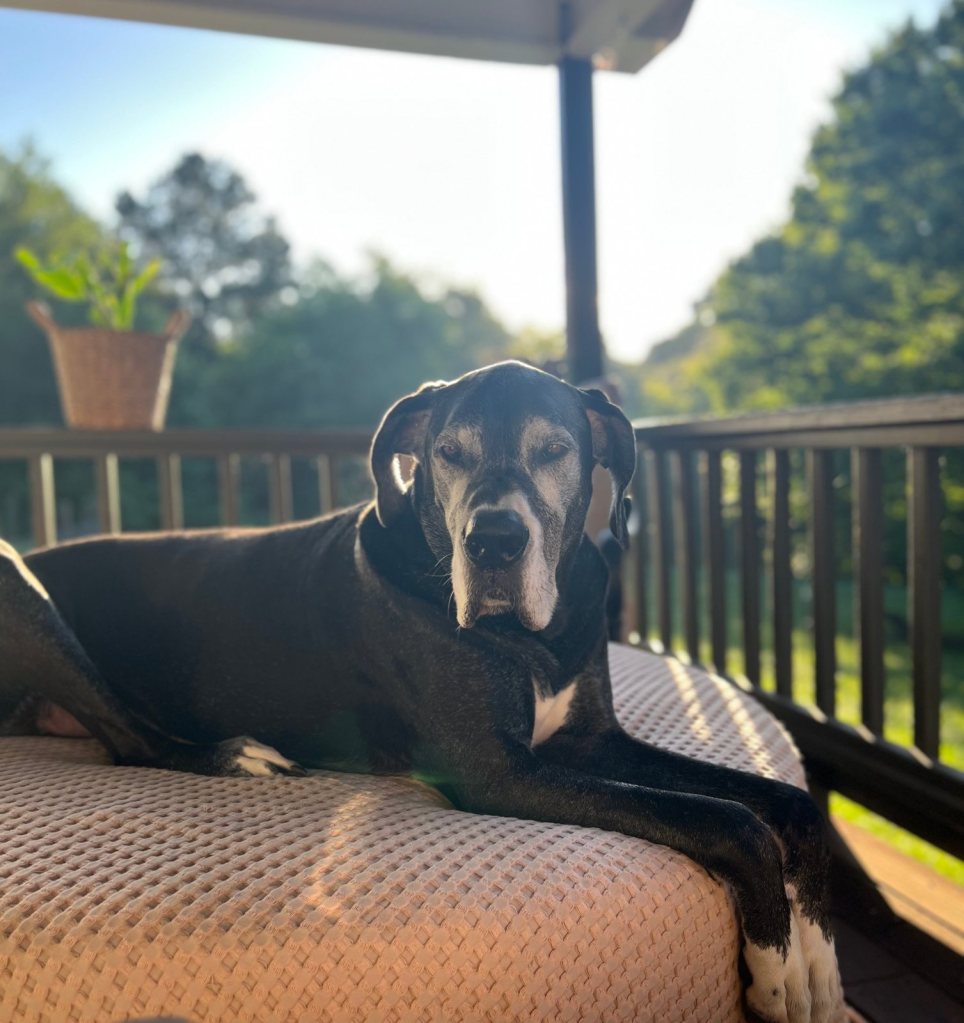
Emmett was a European-type Great Dane who never quite accepted that he was a giant. He was rowdy and playful, prone to full-speed zoomies across the pasture, and happiest swimming, chasing a ball, or out on a long hike. After he collapsed in the pasture and was resuscitated, he was diagnosed with a serious heart condition (dilated cardiomyopathy with congestive heart failure). A dog built for bursts of energy had to learn a calmer way to enjoy life, so we traded sprints and fetch for sniff walks, puzzle work, and scent games. His cardiologist praised the approach. Emmett passed away peacefully in his sleep in October 2026, curious and engaged to the end.
Chuck
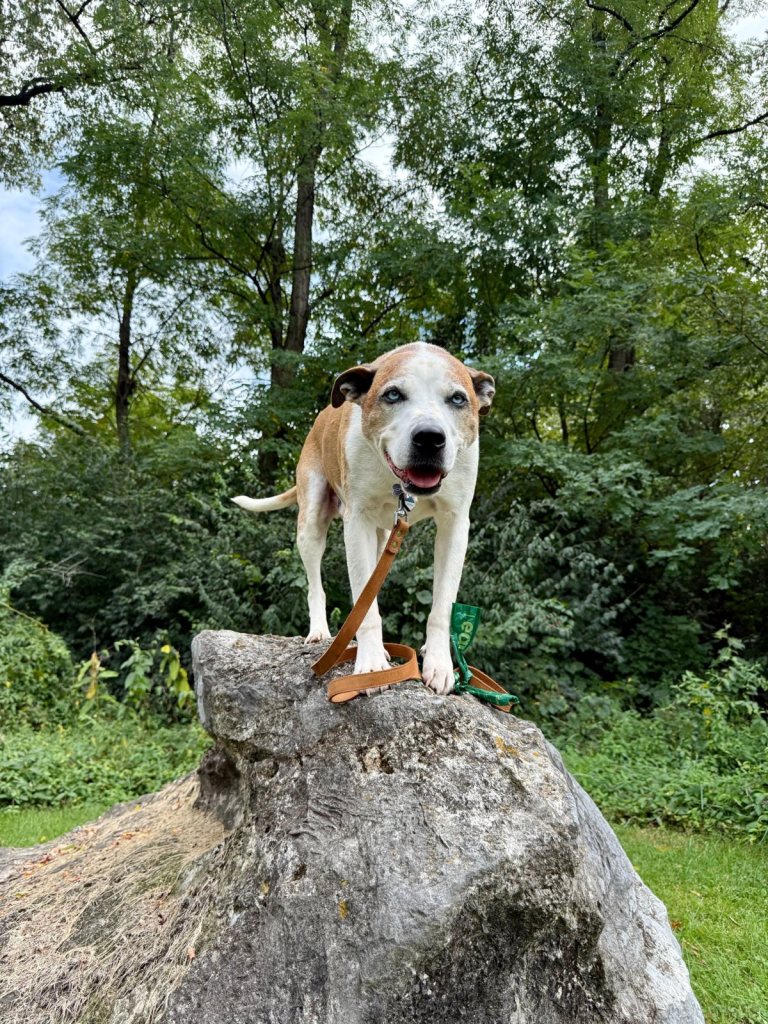
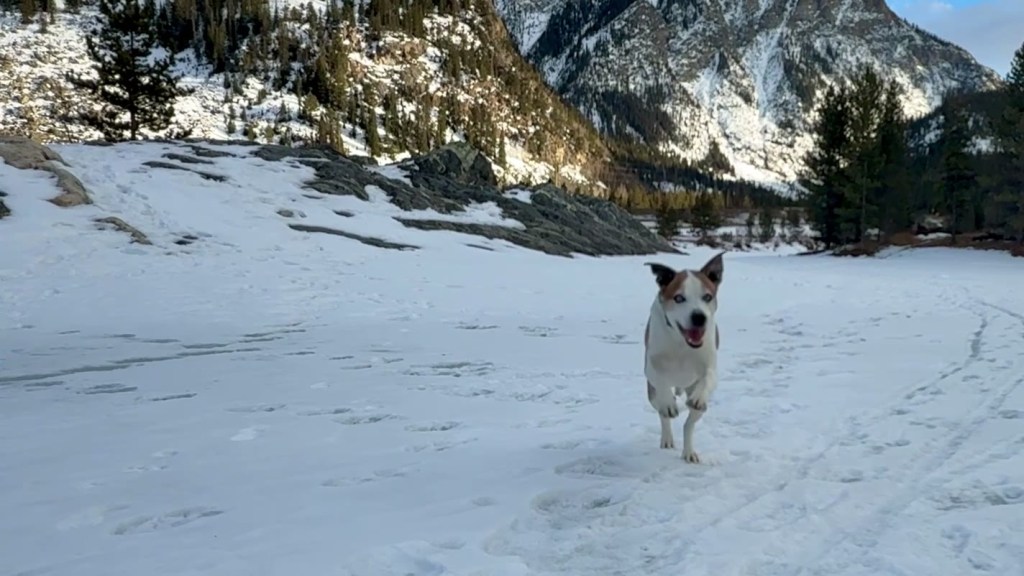
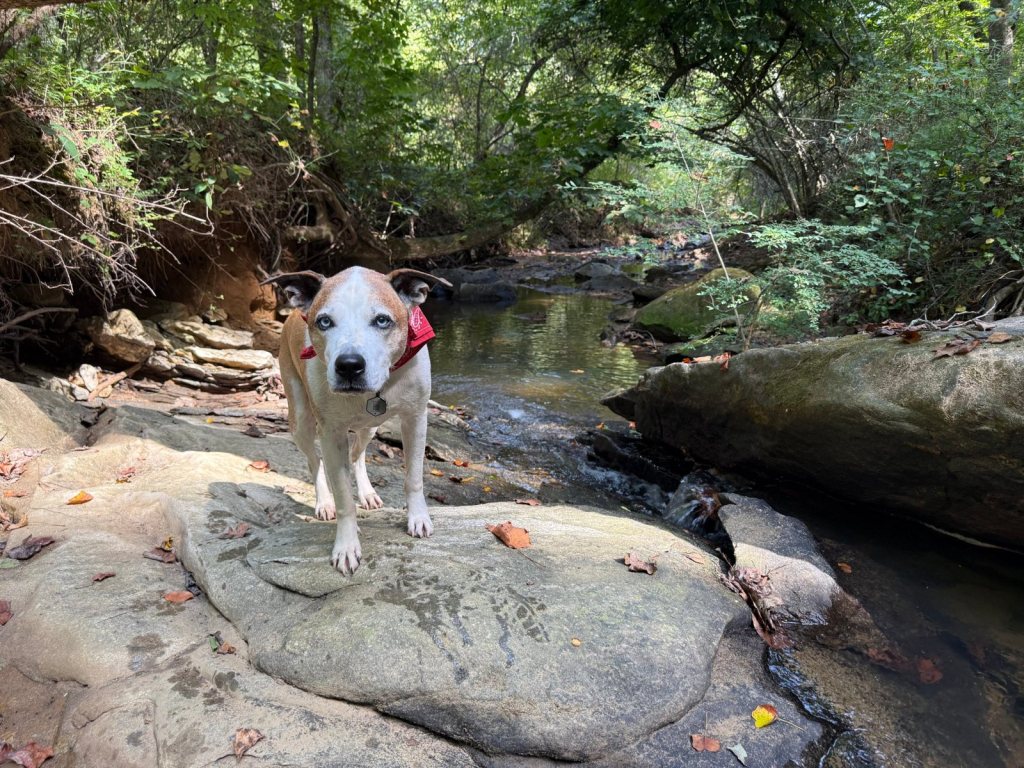
According to his previous owners, Charlie (“Chuck”) was athletic, rebellious, and more dog than their apartment could handle. When he was six months old, his veterinarian arranged his transfer to me. Within days he was climbing fences, raiding the chicken house, and helping himself to anything on the counters. Chuck has a strong prey drive and seemingly endless energy, so his plan gave that drive a job: fetch, agility, and scent games such as Find It, along with slow, careful exposure to the flock. Today he is trusted off leash around the chickens, and he still needs more activity than almost any dog I know.
Living with Emmett and Chuck showed me that two dogs in the same home can need nearly opposite plans: one built to keep excitement low, the other to give a high drive somewhere useful to go. Finding that balance is central to how I work with every household.